

Killer Medifamily
No drama, just results. Killer Medimon identify infected targets and cut the problem out cleanly.
Stage One
Natural Killer Cell

Natural Killer (NK) Cells are a type of white blood cell that plays an essential role in our immune system. They help protect us from infections and cancer by recognizing and destroying infected or abnormal cells.
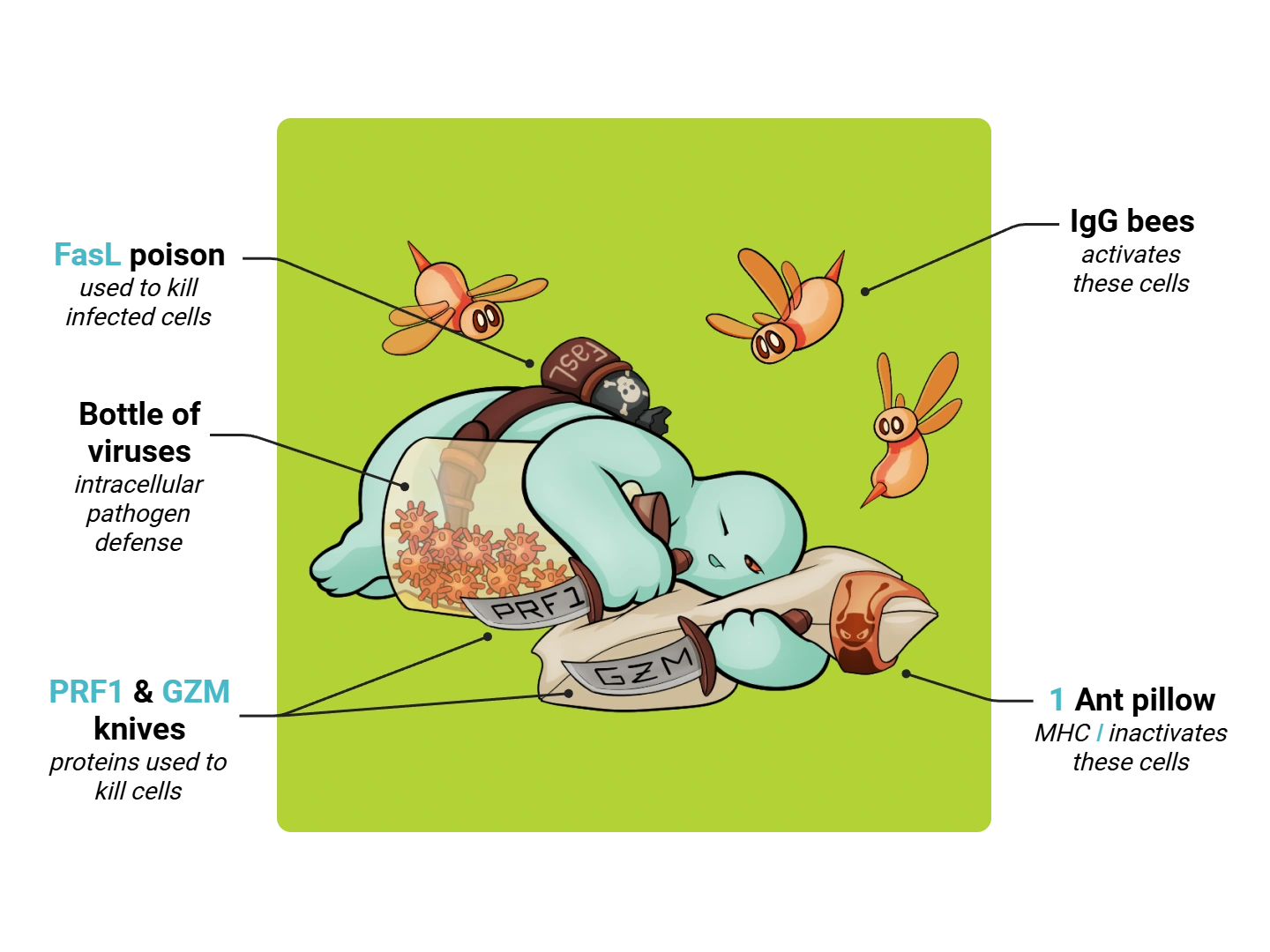

Classical Natural Killer Deficiency

Classic Natural Killer Deficiency (cNKD) is a rare genetic disorder that affects the immune system. People with this condition have low levels or a complete lack of Natural Killer Cells, making them more susceptible to infections, such as hepatitis C.
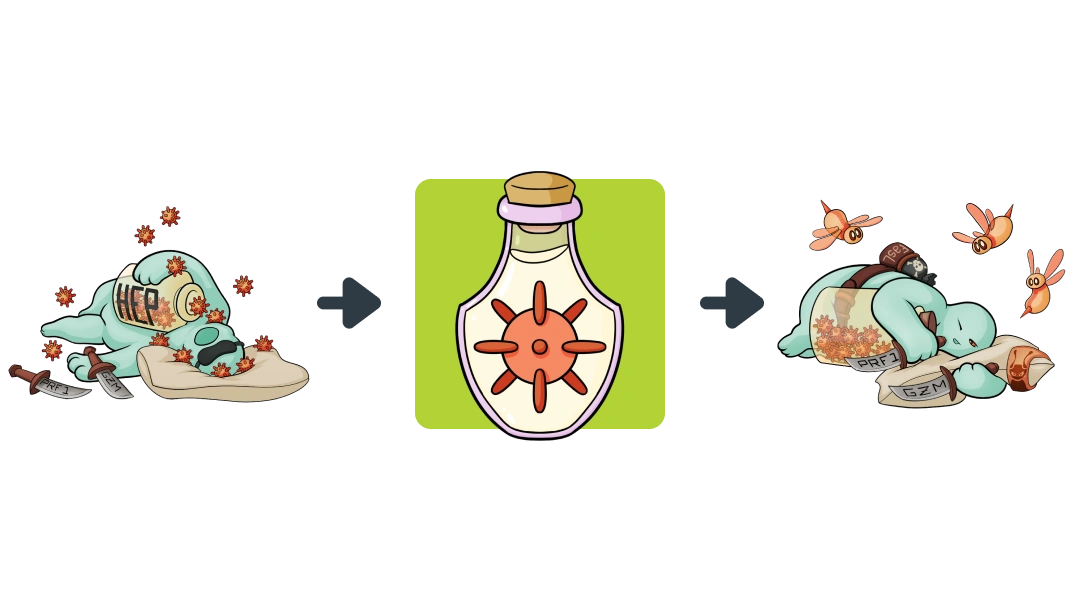
Ledipasvir

Ledipasvir and sofosbuvir are not used to treat Classic Natural Killer Deficiency, but instead treat hepatitis which is a common complication of cNKD. They are antiviral medications used to treat hepatitis C, a viral infection that affects the liver. The combination of these drugs works by stopping the virus from multiplying in the body.
VIEW TREATMENT INFO AT

Stage Two
Killer T-Cell
Killer T-Cells are a type of white blood cell that can identify and destroy infected or cancerous cells. They play a crucial role in protecting our body from viruses, bacteria, and other harmful invaders.


Acute Rejection
Acute Rejection is a complication that can occur after an organ transplant. It happens when the recipient's immune system, particularly Killer T-Cells, recognizes the transplanted organ as foreign and attacks it, potentially leading to organ failure.
rATG
rATG (rabbit antithymocyte globulin) treats Acute Rejection by suppressing the immune system's response to the transplanted organ. It is a combination of antibodies that work by targeting and removing T-Cells, which helps to prevent them from attacking the transplanted organ.
VIEW TREATMENT INFO AT

Stage Three
Car T-Cell
CAR (Chimeric Antigen Receptor) T-Cells are a type of white blood cell that has been genetically engineered to recognize and target specific cancer cells. This therapy uses a person's own T-Cells, modified in a lab, to help fight their cancer.

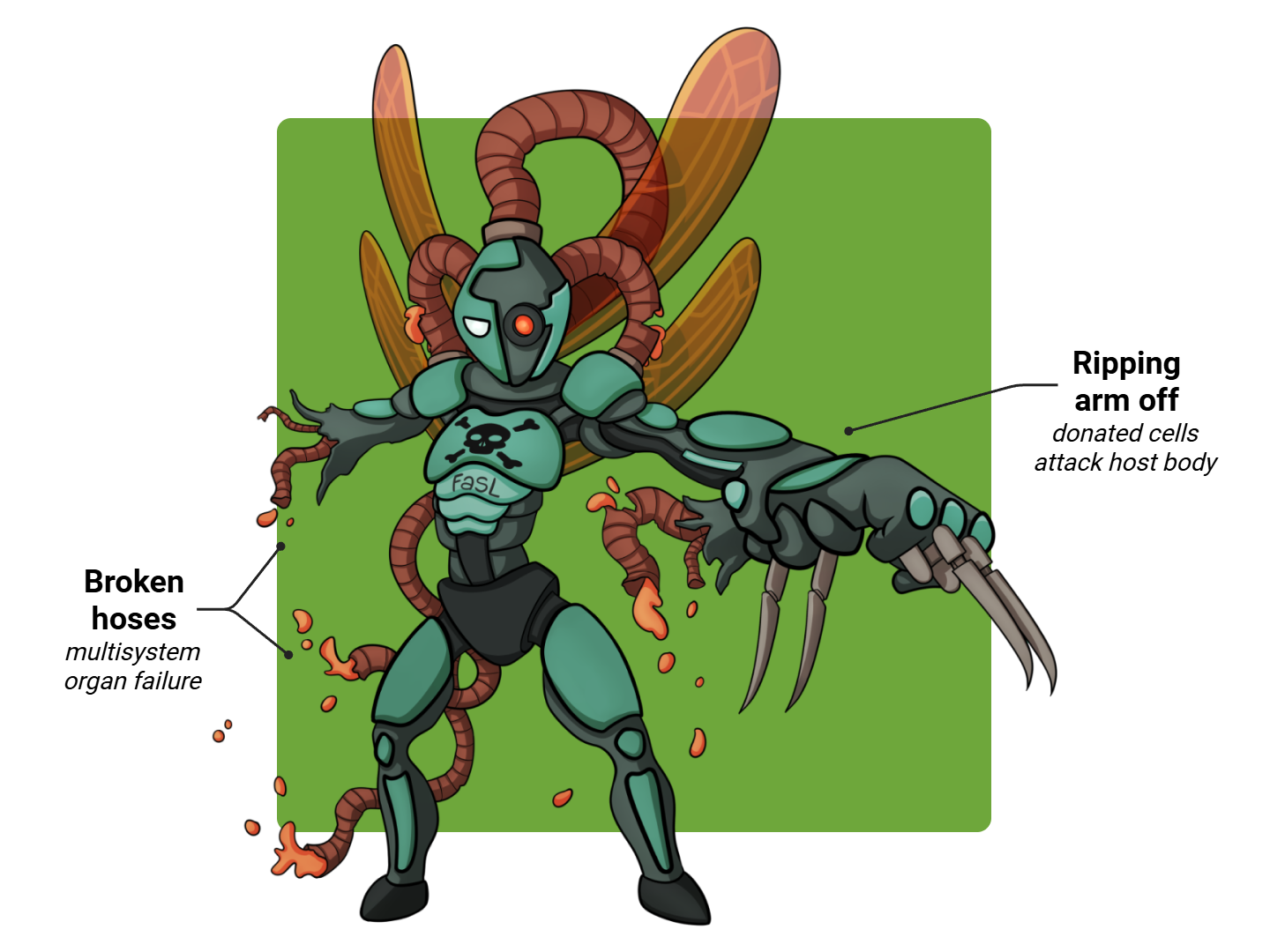
Graft vs. Host
Graft vs. Host (GvH) Disease is a condition that can occur after a bone marrow or stem cell transplant. It happens when the donor's immune cells attack the recipient's healthy cells, causing inflammation and damage to various tissues and organs.
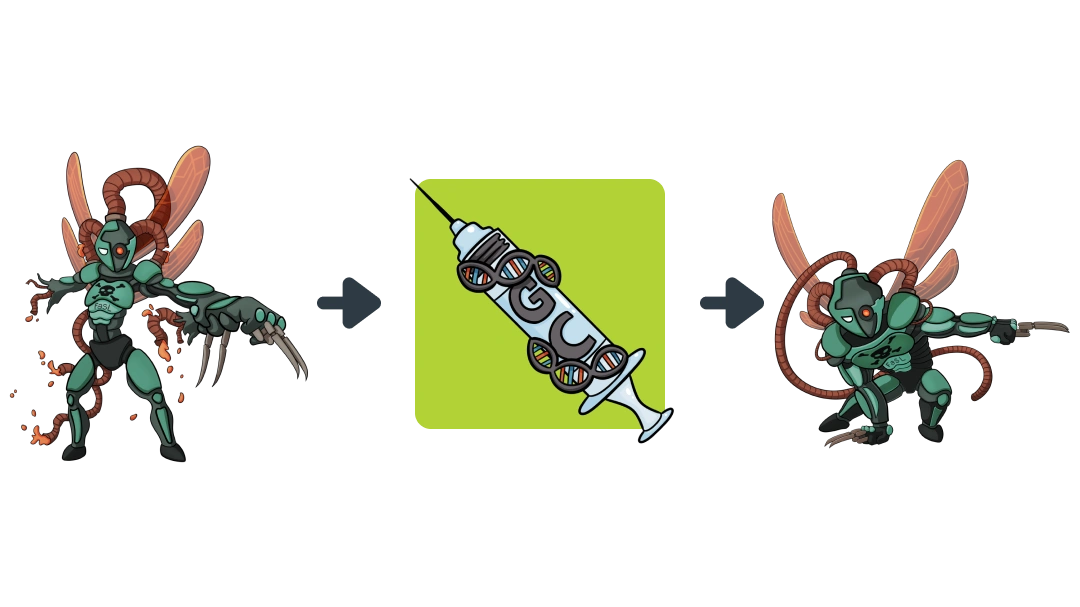
Methlyprednisolone
Methylprednisolone treats Graft vs Host disease by reducing inflammation and suppressing the immune system. It is a corticosteroid medication that helps to alleviate the symptoms and slow down the progression of the condition by reducing the immune system's attack on healthy cells.
VIEW TREATMENT INFO AT

Mausoleum
Home to the Killer Medifamily
Deep within the Killing Fields stands a solemn mausoleum filled with the remains of defeated invaders. It is a chilling reminder that threats do not leave alive.
Explore More Medimon

Medimon is a product of Panacea Interactive. © Panacea Interactive, LLC. All Rights Reserved.
AI NPCs may generate incorrect information. Not medical advice. Verify important information with reliable sources or a qualified professional.